When the Grief Isn't Even Over Yet
She buried her mother on a Tuesday. By Thursday, she was back at her father's bedside.
That's not an extreme case. For a growing number of family caregivers, that's just what happened. You spend years caring for one parent — through diagnosis, decline, hospitalizations, hospice — and somewhere in the exhale after they're gone, you discover the next chapter has already started.
It has a name now, even if most people living it have never heard it: back-to-back caregiving. And it may be one of the most underrecognized forms of compounding trauma in the caregiving world.
The Setup Nobody Plans For
Most conversations about family caregiving assume a single episode: one person, one illness, one arc. You manage it, you grieve it, you recover. Eventually, you return to something resembling your old life.
But human families don't follow that script. Parents age in pairs. Chronic conditions layer on top of each other. The sibling who said they'd help doesn't. And the person who was already the most organized, the most local, the most emotionally available — the one who stepped up for parent number one — is almost automatically presumed to be available for parent number two.
Sometimes there isn't even a pause between them. A caregiver writing about her experience put it plainly: "I just want to stop. I'm not even done grieving my mom and now I'm right back in it — same hospital rooms, same paperwork, same calls from the same doctors."
It's Not the Same Grief Twice
There's an assumption that caregivers who've been through it once are somehow better equipped the second time. That experience counts. That they know what to do.
In some logistical ways, that's true. They know how hospice works. They've met a social worker before. They've filed for FMLA.
But emotionally, the second caregiving episode doesn't happen in a recovered person. It happens in a grieving one.
And grief does something specific to the nervous system: it depletes the resources that resilience runs on. The capacity for patience, for emotional presence, for absorbing someone else's fear and pain — those things refill slowly. When a new caregiving demand arrives before they've refilled, you're not starting from zero. You're starting from a deficit.
Caregivers in this situation report a different quality of experience than their first caregiving chapter — less ability to feel present, more emotional numbness, more intrusive thoughts, more of what mental health professionals would recognize as secondary traumatic stress. It doesn't look like sadness from the outside. It can look like irritability, detachment, or mechanical efficiency. Inside, it feels like running on fumes while pretending the tank is full.
When the Second Parent Is Different
Back-to-back caregiving gets more complicated when the second parent is a different kind of challenge.
The mother had Alzheimer's — a known trajectory, a community of support, disease-specific guidance available. The father has alcohol-related illness and refuses to engage with his own treatment. The dynamics shift completely. Where grief and compassion might have been the predominant emotions in the first chapter, guilt and rage may dominate the second.
Or the first parent was kind and appreciative. The second is demanding and critical. Or one had financial resources; the other doesn't. Each caregiving situation requires its own emotional and logistical calibration — and the exhausted person trying to do that calibration may have very little left to give.
This is not a personal failure. It is a structural reality of what we ask caregivers to carry.
The Sandwich Gets Thicker
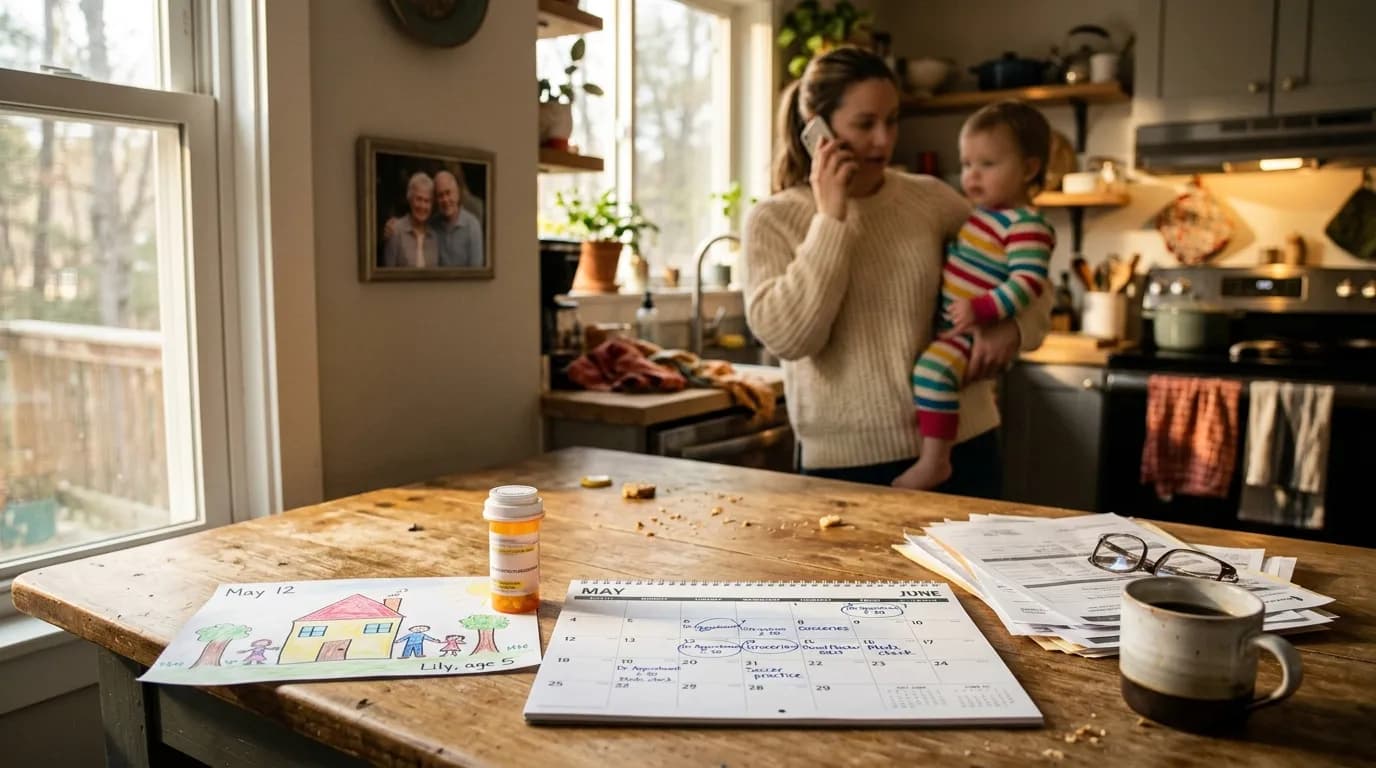
For many back-to-back caregivers, there's another layer: their own children, their own careers, their own relationships. The sandwich generation is already squeezed from both sides — and when caregiving compounds and extends over a decade or more, the middle filling thins out almost to nothing.
The career that was already strained starts to break. The marriage that was already under pressure starts to fracture. The friendships, the hobbies, the sense of self that predated caregiving — those can feel impossibly far away.
One woman, caring for her second parent as a single mother while working part-time, described it this way: "I can't imagine a better life while my father is alive, and I feel enormous guilt even thinking that."
That guilt — about having any private hope, about counting the days — is one of the heaviest parts. And it is almost never talked about.
What Back-to-Back Caregivers Actually Need
Recognition that this is different. This is not caregiving round two for someone who's recovered. This is an ongoing caregiving career happening inside an unresolved grief process. Treating it like a logistics problem misses what's actually happening.
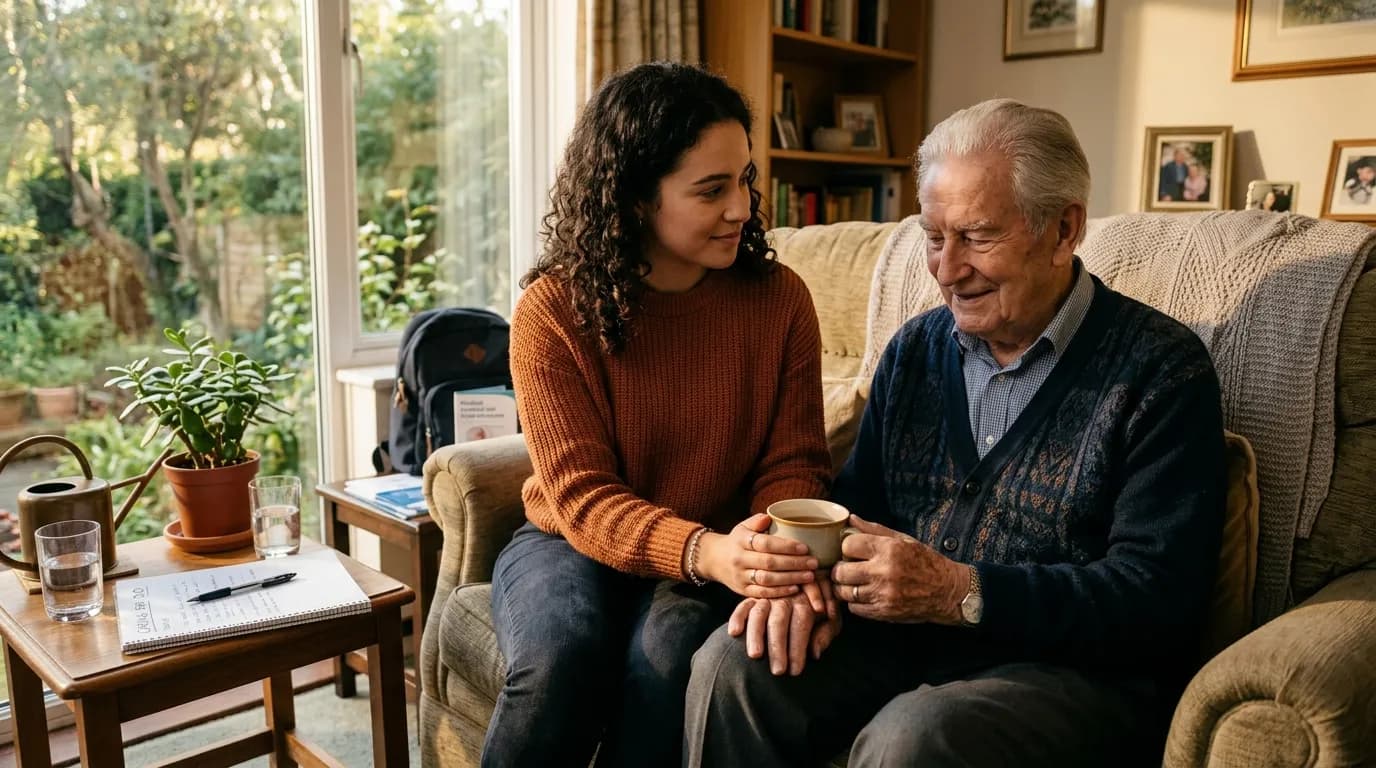
A different kind of support. Generic caregiver support resources often assume you're new to this. Back-to-back caregivers need peer connection with others who understand the compounding nature — what it's like to love someone and simultaneously resent the timing of what's being asked of them.
Permission to name what's true. Wanting this to be over is not the same as not loving your parent. Feeling exhausted by a second chapter of immense difficulty is not a character flaw. Grief and love and resentment and duty can coexist. Naming that honestly is not giving up — it's being real about what's actually happening.
Systems that don't depend on memory. When you're functioning inside a grief fog and a care fog simultaneously, the margin for error narrows drastically. Having documented care plans, emergency contacts, medication records, and key information accessible to others isn't just convenient — it's protective. It's what allows someone else to step in when you've finally hit the wall.
You Don't Have to Have It Together
There's a particular loneliness in being the person who figured it out once and is expected to figure it out again.
You don't have to be the expert. You don't have to be calm. You don't have to demonstrate that you've got this — especially when part of what you're carrying is the loss of the person you just said goodbye to.
Back-to-back caregiving is a marathon that started before the previous race was over. The only way through it is with honesty, support, and the willingness to finally ask for help before you collapse.
When you're caring for a second parent while still processing the loss of the first, having a clear, organized record of everything — medications, contacts, care history, legal documents — means you don't have to hold it all in your head alone. That's not a luxury. That's how you survive.
Managing care for an aging parent?
TendTo helps families coordinate medications, bills, appointments, and documents in one shared dashboard.
Start Free