Running on Empty: The Caregiver Sleep Crisis
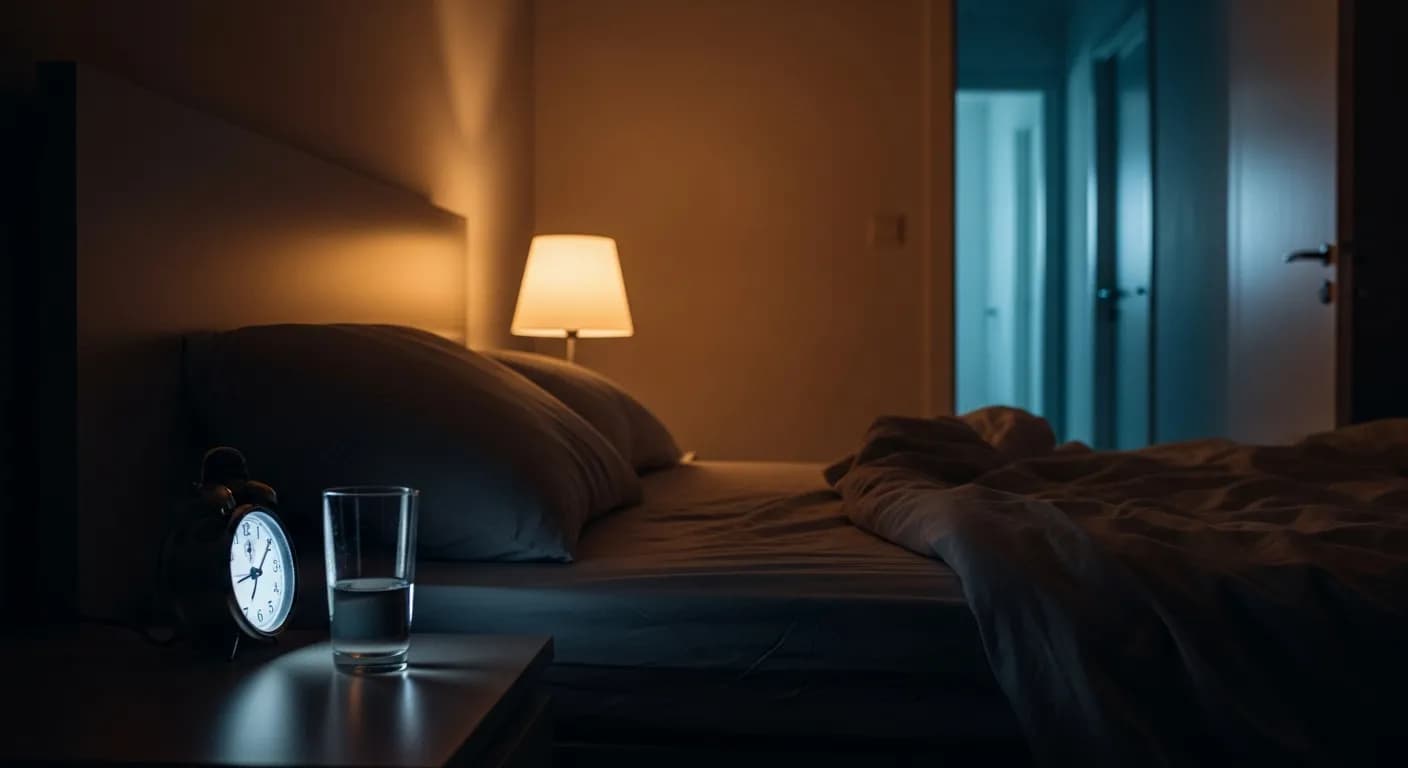
You told yourself it would get easier. It hasn't. And somewhere around 3 AM — after the third call down the hall, after resetting the stove alarm, after patting someone back to sleep — you realize you genuinely cannot remember the last time you slept through the night.
Welcome to caregiving's most dangerous and least-discussed side effect: chronic, compounding sleep deprivation.
It's Not Just Tiredness — It's a Health Crisis
There's a difference between being tired and being sleep-deprived. Tired is a Tuesday feeling. Sleep deprivation is what the NIH calls a state of impairment equivalent to legal intoxication — after just 24 hours without sleep, your reaction time, decision-making, and emotional regulation are comparable to a 0.10 blood alcohol level.
Now imagine running at that level for weeks. Months. Sometimes years.
Studies estimate that up to 76% of family caregivers struggle with sleep, with many routinely getting fewer than five hours of interrupted rest per night. And the downstream effects are serious:
- Heart disease, stroke, and diabetes risk increase significantly with chronic sleep disruption
- Depression and anxiety worsen measurably in sleep-deprived caregivers
- Cognitive function declines — the very thing you need most to manage complex care
And then there's the piece that doesn't get said enough:
Exhausted Caregivers Make Dangerous Mistakes
Sleep deprivation doesn't just harm you. It puts the person you're caring for at risk.
Research consistently links caregiver fatigue to medication errors — the wrong dose, the wrong time, the wrong medication altogether. These errors contribute to tens of thousands of preventable hospitalizations every year. When you're running on two hours of broken sleep, you're not the version of yourself who catches a mistake. You're the version who makes one.
Caregivers in online communities are increasingly frank about this reality: driving through red lights they never saw, forgetting whether they already gave a pill, losing chunks of time entirely. "I'm not failing," one caregiver wrote. "I'm impaired. There's a difference."
That distinction matters — both for self-compassion and for getting serious about the problem.
Why Sleep Is So Hard to Protect in Caregiving
There are two categories of caregiver sleep disruption, and they often compound each other.
External disruptions are the ones most people imagine: nighttime wandering, incontinence, pain episodes, calls for help, alarms, and the general unpredictability of another person's body operating on its own schedule. When you're the on-call caregiver, there is no clocking out.
Internal disruptions are quieter and often more persistent: anxiety about tomorrow's medical appointment, replaying what happened at yesterday's, trying to calculate what you can afford, wondering if you missed a symptom, dreading the conversation with the doctor, grief about who your person used to be. The mind won't stop even when the house finally goes quiet.
Both types require different solutions. And neither gets enough attention in the generic "take care of yourself" advice that caregivers receive — which, delivered without any structural support, borders on cruel.
What Actually Helps (That Isn't Just "Rest More")
The advice to "get more sleep" without acknowledging the impossibility of that for many caregivers is not helpful. What is:
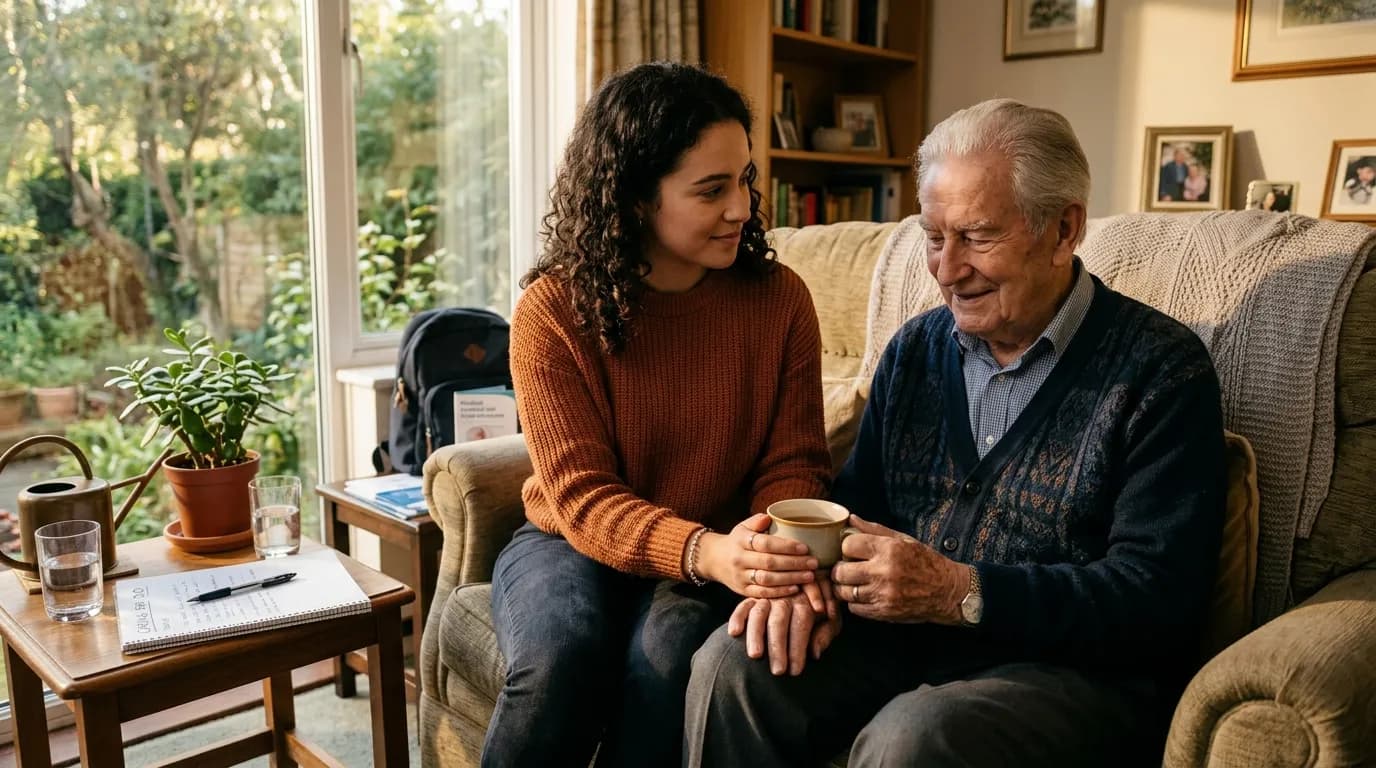
Tag-team with someone. Even one person who can reliably take a night shift — a sibling, a neighbor, a hired aide — changes everything. You don't need every night. You need a few guaranteed ones.
Consolidate nighttime needs proactively. Work with a doctor or care team to address the root causes of nighttime disruptions: pain management, continence aids, environmental modifications. The fewer the 3 AM events, the more sleep you both get.
Treat your anxiety separately. If the internal noise is what keeps you awake, that's a treatable condition. Therapy, medication, or even a structured "worry window" during the day can help quiet the brain at night.
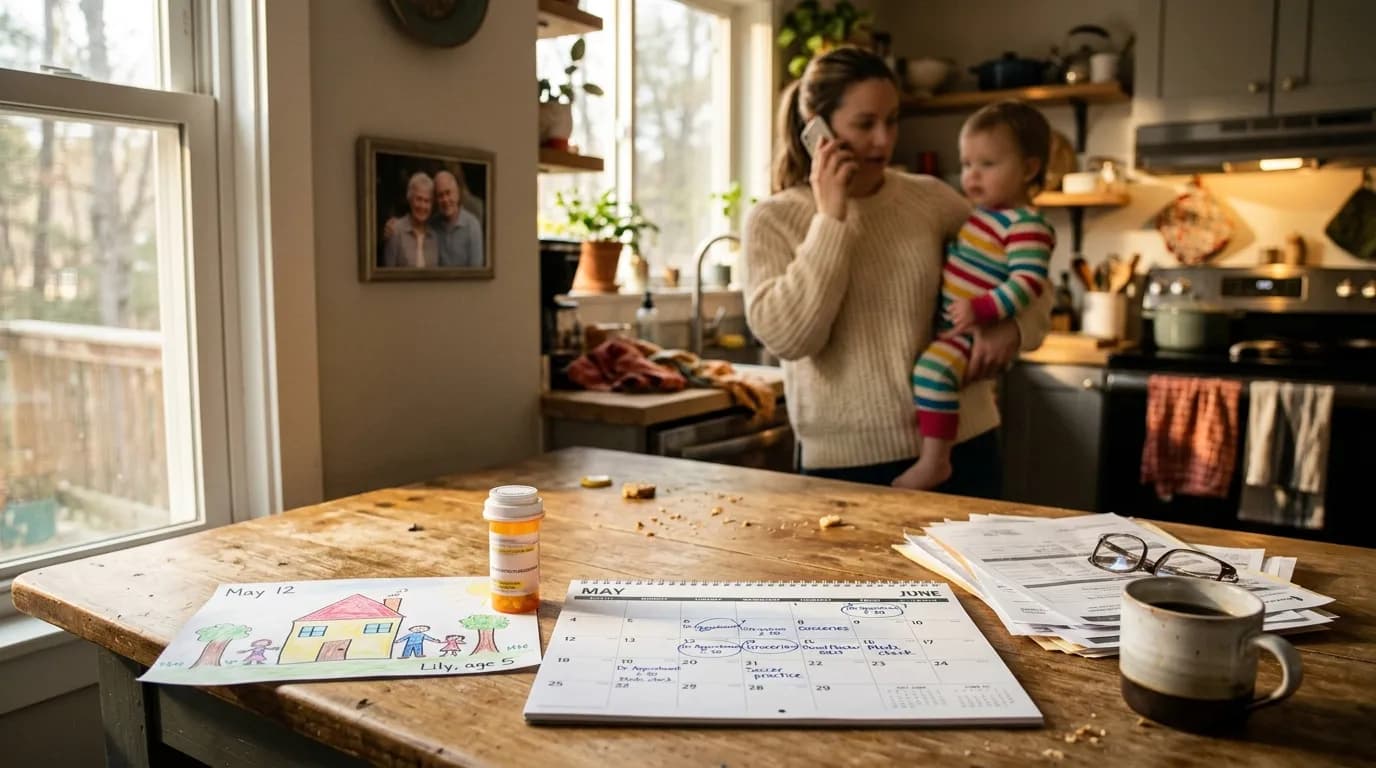
Get organized so you're not holding everything in your head. One of the underappreciated causes of caregiver sleep loss is cognitive load — knowing that you are the only one who knows the medication list, the doctor's names, the insurance info, the emergency contacts. When all of that is documented and accessible to others, you can actually let go at night. It's not magic, but it's real.
Give Yourself the Diagnosis You Deserve
When you go to a medical appointment for someone you're caring for, the doctor asks about their sleep. Their pain levels. Their stress.
Almost no one asks about yours.
That makes this easy to ignore — and the consequences easy to minimize. But sleep deprivation in caregivers is a medical issue, a safety issue, and a care quality issue all at once.
If you were treating a patient with your symptom list, you'd take it seriously. Start taking it seriously for yourself.
Because the person you're caring for needs you functional. Not just present — actually functional. And that starts with sleep.
Is tracking every medication, appointment, and emergency contact taking up mental space that keeps you awake at night? Centralizing care information — so anyone can step in and you don't have to hold it all alone — is one piece of getting that burden off your plate.
Managing care for an aging parent?
TendTo helps families coordinate medications, bills, appointments, and documents in one shared dashboard.
Start Free