The Loneliness Hiding in Plain Sight
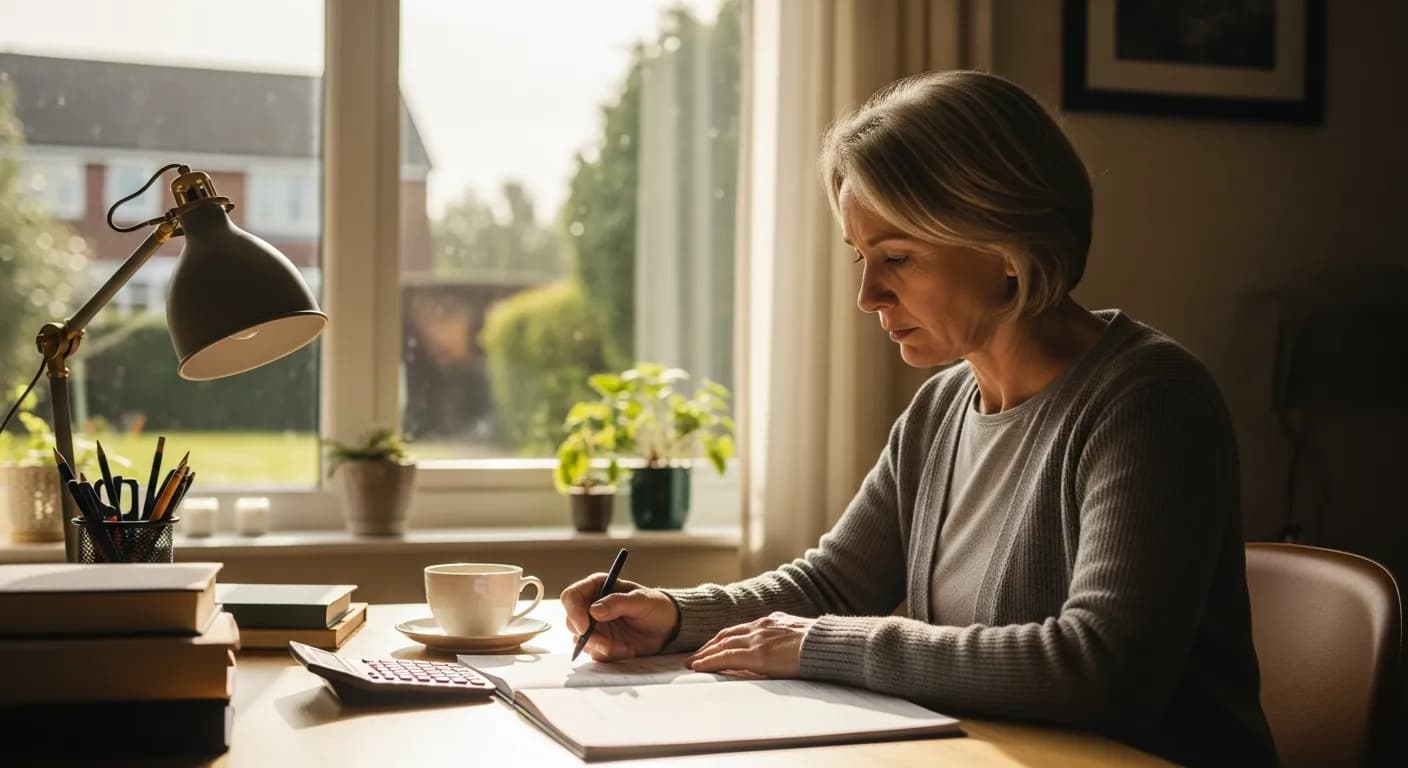
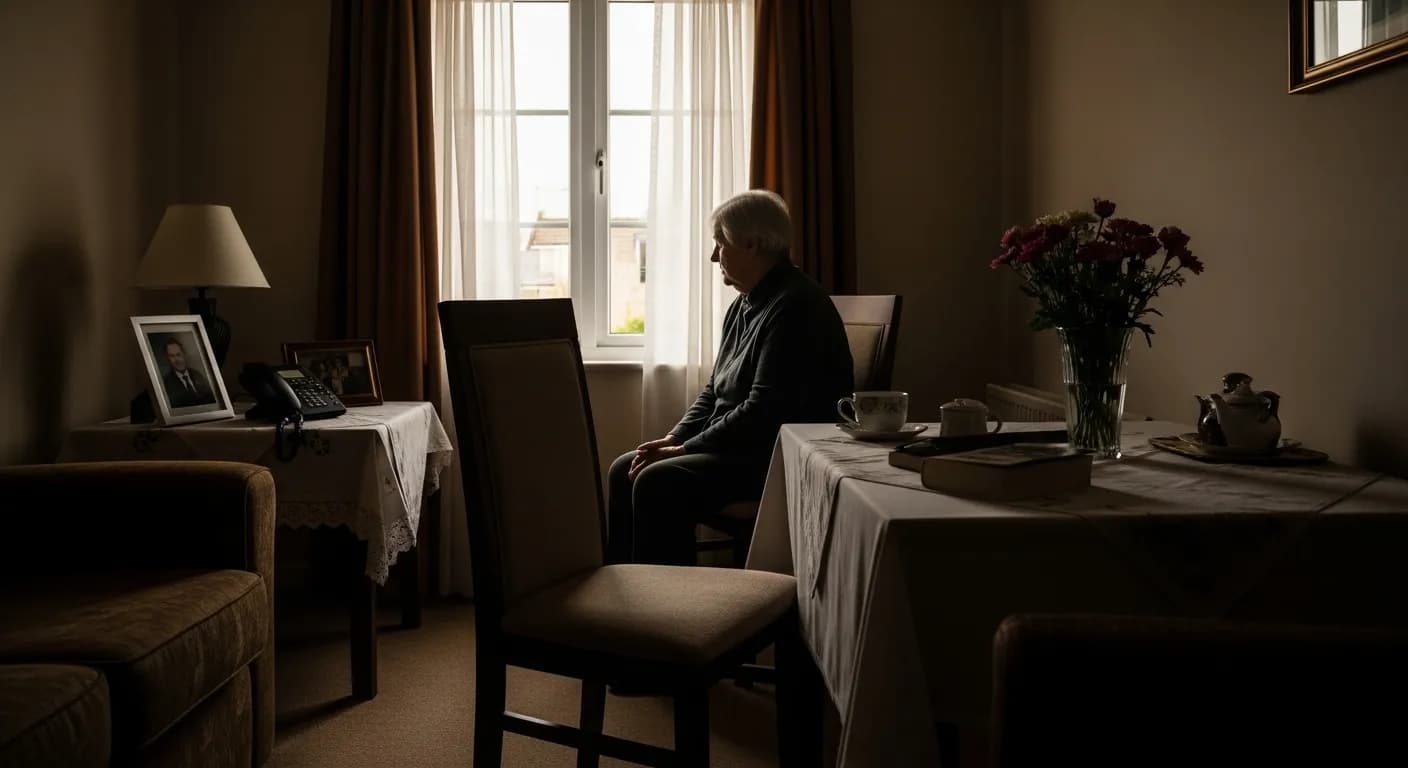
She had visitors every Sunday. Her daughter called twice a week. The home health aide came three mornings. By any reasonable measure, Dorothy wasn't alone.
But she was lonely.
There's a difference — and it's one that most caregivers don't fully reckon with until something breaks. A fall that didn't need to happen. A hospitalization that seemed to come out of nowhere. A cognitive decline that moved faster than expected. And a doctor, quietly, asking: "Has she had much social contact lately?"
Social isolation in older adults is one of the most underestimated health risks we face as a society. And it's happening inside homes where people are theoretically being cared for.
Loneliness Is a Medical Issue
This isn't soft stuff. The science is clear and it's been building for over a decade.
Chronic loneliness in older adults is associated with a 26% increased risk of dementia, according to research published in multiple peer-reviewed journals. The U.S. Surgeon General's 2023 advisory — which is still being reckoned with by the healthcare community — declared social isolation an epidemic with effects on physical health comparable to smoking 15 cigarettes a day.
In practical terms: loneliness raises blood pressure, impairs immune function, disrupts sleep, accelerates cognitive decline, and significantly increases mortality risk. This is a health condition, not a feeling to be managed.
And yet most medical appointments don't screen for it. Most care plans don't address it. And most family members, doing their best to keep their parent clothed, medicated, and safe, don't realize that what their parent is actually starving for is connection.
Why It Happens Even in "Cared-For" Households
There's a particular irony in how isolation deepens as care needs increase. The more a person needs help, the less they can do on their own — go out, drive, meet friends, join clubs. Meanwhile, their social circle is also aging: friends pass away, become ill themselves, lose driving ability. The world quietly shrinks.
This is compounded by something caregivers rarely talk about: the shift in relationship dynamics. When a child becomes a parent's primary caregiver, the relationship changes. The parent may feel loss of dignity, fear of being a burden, reluctance to ask for anything beyond practical help. Deep conversation — the kind that sustains a person — can get crowded out by logistics.
And the aide who comes three mornings a week? Unless they're an unusually warm person with time to sit and talk, their presence is task-focused, not socially meaningful. Presence isn't the same as connection.
What Meaningful Connection Actually Looks Like
Caregivers often ask what they can do, and the answer isn't always what people expect.
It's not just visits. Long, distraction-free conversation matters more than quick check-ins. Sitting with someone and actually listening — not managing, not updating the care list, just being present — is one of the most powerful things a caregiver can offer. Even 20 undivided minutes can shift someone's week.
Peer connection is irreplaceable. Programs that connect older adults to peers — phone buddy programs, senior centers, faith communities, online interest groups, even neighborhood programs — provide something family members genuinely can't: the companionship of equals. Someone who shares their era, their references, their experience of aging.
Technology, used right, expands reach. Video calls with grandchildren, virtual book clubs, online communities — for elders who are physically limited, these can be lifelines, not substitutes. The key is making sure they have access, know how to use it, and someone to help troubleshoot.
Consistent presence from familiar faces matters. If a paid caregiver rotates frequently, the social benefit is lost. Consistency builds relationship. It's worth fighting for when negotiating care arrangements.
What to Watch For
Social isolation often masks itself. Here's what to notice:
- Increased TV watching as the primary daily activity
- Withdrawal from activities they used to enjoy
- Declining hygiene or interest in appearance ("who would notice?")
- Increased calls to you about small things (loneliness looking for contact)
- Statements like "I don't matter anymore" or "Nobody needs me"
- Worsening depression or anxiety
- Increased physical complaints without clear medical cause
If you're seeing these signs, isolation may be a bigger factor than any medication issue.
The Caregiver's Role Here Is Different
Keeping someone safe, medicated, and fed — that's the logistics of care. Keeping them connected to life — that's the soul of it.
It means building social interaction into the care plan the same way you'd schedule a doctor's appointment. It means having conversations with paid caregivers about the quality of connection, not just the tasks. It means asking your parent who they miss, not just how they're feeling.
Some families find that centralized care tools help here too — knowing what the aide covered, when family last visited, what emotional moments came up — so that social wellbeing can be tracked and coordinated the same way medical care is.
Your parent's body may be the most visible thing in your care plan. But the person inside that body needs to feel like they still belong somewhere in the world.
That's not optional. That's care.
Managing care for an aging parent?
TendTo helps families coordinate medications, bills, appointments, and documents in one shared dashboard.
Start Free