Friendships Don't Pause for Caregiving
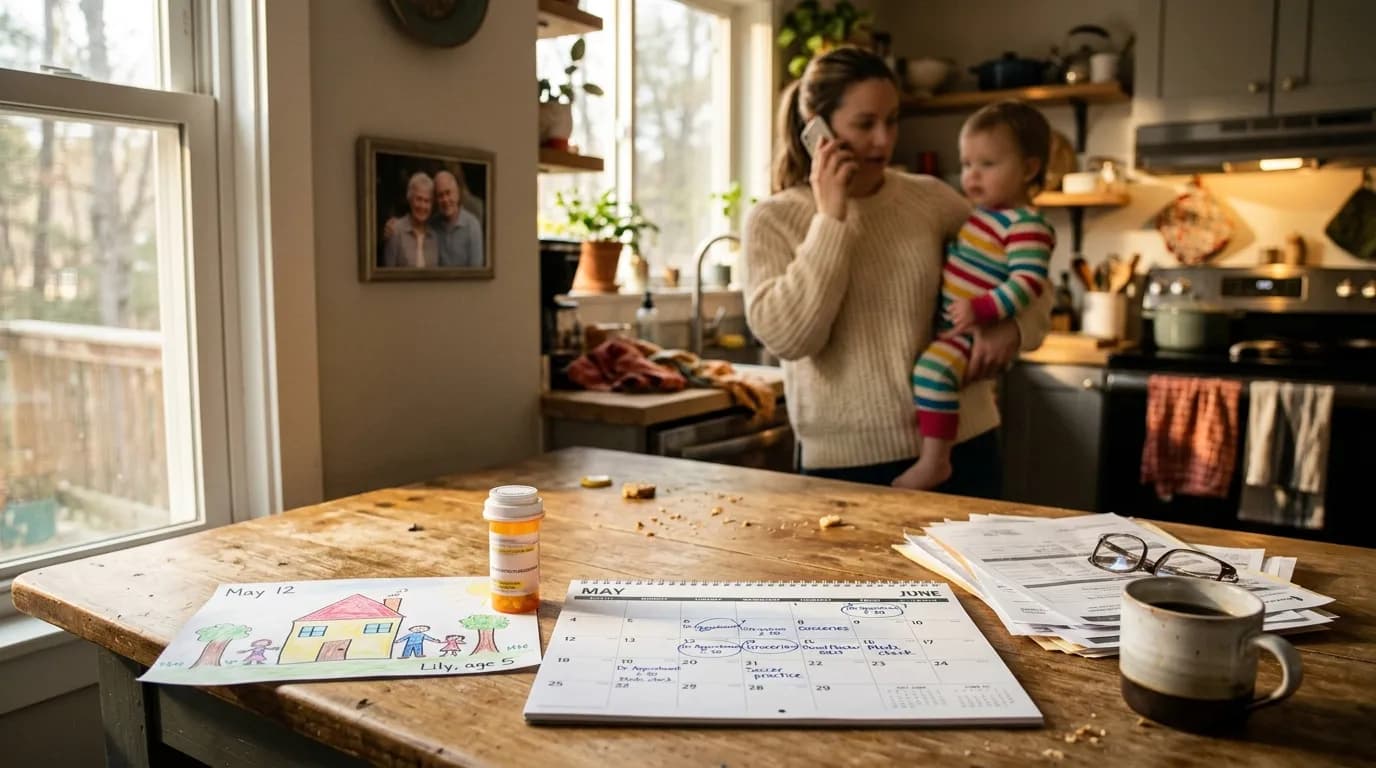
You haven't had lunch with your best friend in four months. She texts, and you feel a flutter of guilt because you can't commit to a time. Your brother calls on weekends, but the conversations are shorter now—you're usually managing your mom's afternoon routine on the other end of the line.
You're not abandoning your friendships. You're just... stuck.
And your friends are too, in a way. They want to be there for you. They know you're in the thick of caregiving. But caregiving doesn't come with a calendar. It doesn't have office hours. They don't know how to reach in without making things harder.
So the friendship gets smaller. Quieter. You're still friends, technically—but you're also slowly disappearing from each other's lives.
This is one of the quietest, most painful parts of caregiving, and almost no one talks about it.
The Isolation Trap
Burnout gets the attention. Caregiver stress, mental health, exhaustion—these are real, documented problems that deserved to be named and addressed.
But isolation is different. It's not just stress. It's the slow loss of yourself as someone who has a life outside of caregiving. A life with people who know you for more than how well you manage your parent's medications or whether you're holding it together.
One caregiver put it this way: "Duty does not require joy. We may be doing amazing things for our parents, BUT ALSO hating every minute of it. And the loneliness of that... my friends don't understand why I can't just come to dinner. Why I keep canceling. Why I seem different now."
She's not burned out (though she might be). She's isolated. She's watching her friendships thin because caregiving has consumed the space where friendship lives.
What Friendships Need (Besides Time)
Here's the thing: most friendships don't actually need as much time as we think. They need authenticity. Consistency, even if small. And permission to be messy.
Authenticity means saying the hard stuff. Call your friend and say: "I'm in the thick of caregiving right now. I don't have big chunks of time. But I don't want to lose you. Can we figure out what works?" Real friends will say yes. They'll help you redesign what your friendship looks like right now.
Consistency might be small. Instead of monthly dinners, it's a 20-minute call every other week at the same time. It's a running text thread where you send photos and random thoughts. It's knowing that on Thursday at 6 PM, you'll have 30 minutes together while your mom watches TV. Small, regular beats of connection matter more than grand gestures that never happen.
Permission to be messy means showing up as you are. Tell your friend: "I'm going to be exhausted. I might get a call mid-conversation and have to leave. I might zone out sometimes." Most good friends will take that trade—the imperfect version of you is better than the disappearing version.
What Friendship Does for Caregiving
This isn't self-care propaganda. This is concrete.
When you have friendships that survive caregiving, you have mirrors. People who reflect back who you are outside of your role as caregiver. You have people who can say: "You're doing an amazing job and I notice you haven't laughed in a week." You have people who can sit with the contradiction—that you love your parent deeply AND you're frustrated by them AND you're grief-stricken AND you're angry. All at once.
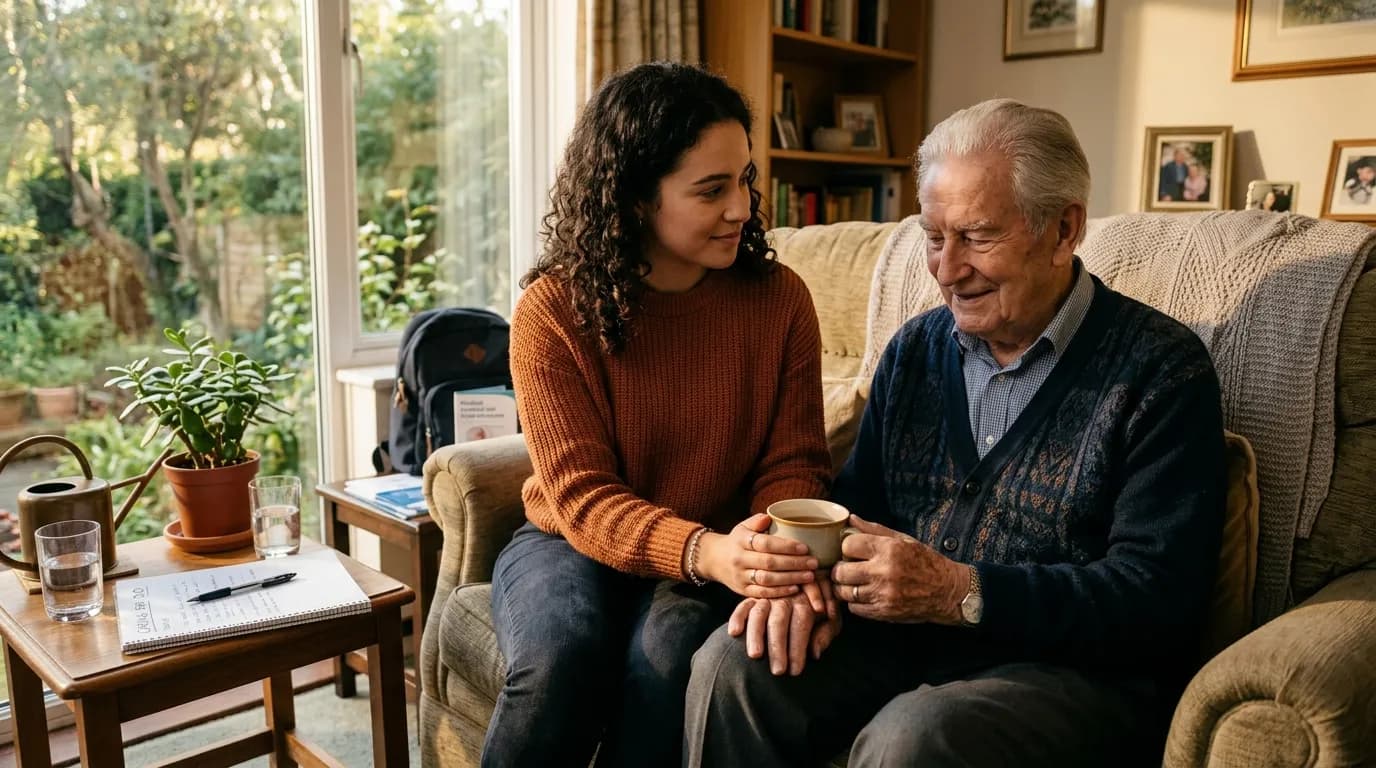
Friends can also be practical. They can sit with your mom while you run an errand. They can remind you that you're allowed to have boundaries. They can text a meme that makes you laugh when you're at your lowest.
But more than that: they remind you that there's a version of you that exists outside of this season.
Making Space Without Abandoning Your Parent
This isn't about neglecting your caregiving duties. It's about refusing to disappear in the process.
One caregiver found that even 30 minutes every other week to call a friend—actually call, while taking a walk alone—changed everything. Another discovered that her friend group was willing to pivot: instead of restaurant dinners, they did video calls where everyone cooked at home and ate together. One caregiver and her best friend started a tradition of coffee on Sunday mornings before the care demands ramped up.
These aren't huge commitments. They're deliberate threads connecting you to the people who knew you before caregiving, who'll know you after, and who matter right now.
The Friendships That Survive Are the Ones You Fight For
Not aggressively. Just intentionally.
Send that text. Have that conversation. Ask for what you need. Show up smaller, more often, more authentically. Let your friends know that caregiving is happening and that you want them in your life—just differently for now.
The friendships that matter will expand to meet you where you are.
The ones that disappear? They were showing you something important about what you actually need. And sometimes losing them makes space for the real ones to get closer.
Caregiving can isolate you, or it can clarify who your people are. The difference is whether you're willing to reach out, ask for help, and let your friendships evolve instead of disappear.
Managing care for an aging parent?
TendTo helps families coordinate medications, bills, appointments, and documents in one shared dashboard.
Start Free