The Caregivers Nobody Expects: Under 30
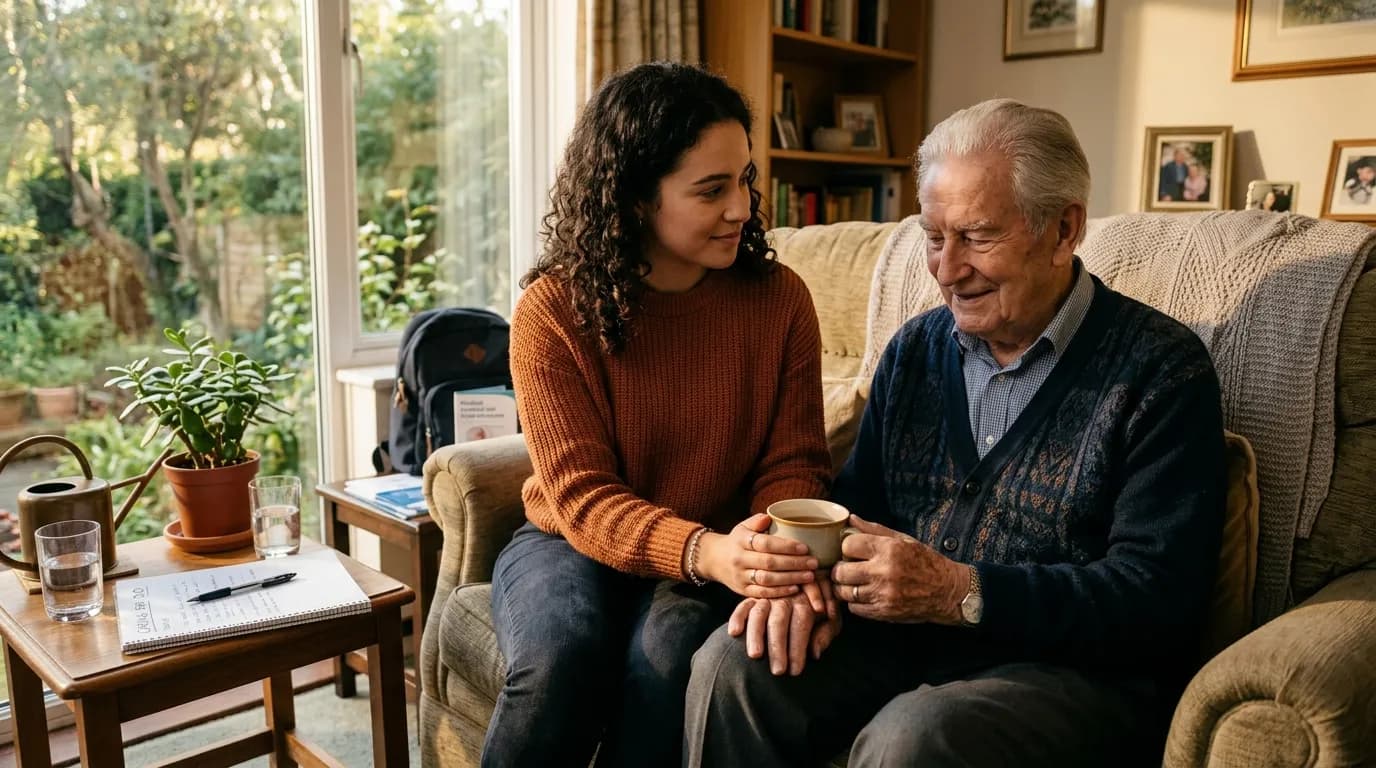
A 24-year-old and her grandmother went viral this year for their "roommate" adventures — grocery runs, dance videos, inside jokes — the kind of content that reads as sweet and funny right up until you realize what it actually is: a young woman in her twenties has become her grandmother's full-time caregiver. The internet loved the joy in it. What got less attention is how common this story actually is, and how little support exists for people living it.
An Invisible Population
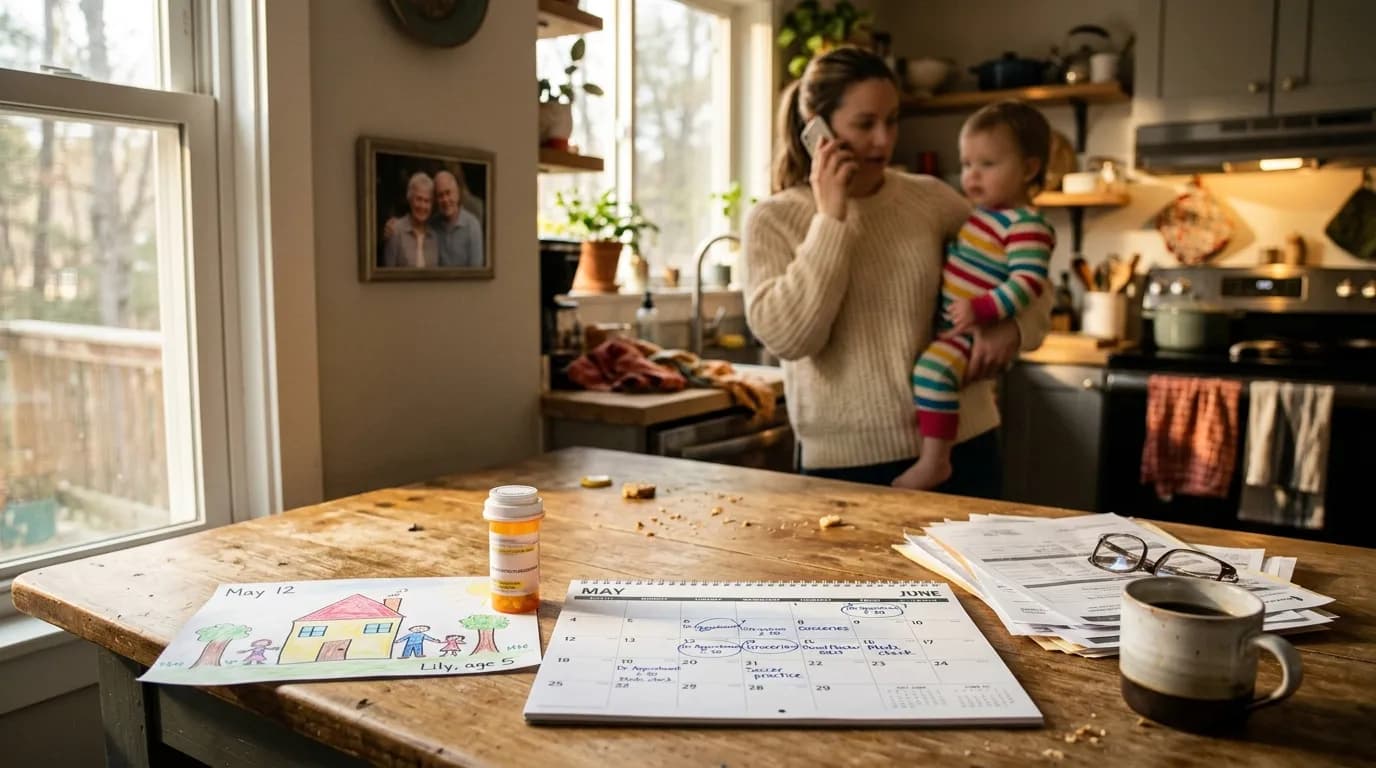
Nobody pictures a 22-year-old when they hear the word "caregiver." The image is almost always a middle-aged daughter or son, sandwiched between kids and parents. But a significant and growing number of young adults — some still in college, some just starting careers — are the primary caregiver for a grandparent, parent, or sibling with a chronic illness or disability. They fill prescriptions between classes, manage insurance calls on their lunch break, and structure their entire social life around someone else's needs, all at an age when their peers are mostly just figuring out who they are.
Because this group is so undercounted, they're also underserved. Most caregiver resources — from support groups to informational content to even the tone of a doctor's office conversation — are written for someone decades older. A 23-year-old caregiver searching for help often finds material that assumes she has a spouse, a mortgage, and an empty nest, none of which applies to her actual life.
The Specific Weight of Doing This Young
Caregiving at any age is hard. Caregiving in your twenties carries a particular kind of loneliness, because almost nobody around you is going through anything similar. Friends are dating, traveling, building careers, and posting about brunch, while you're learning how to read an EOB from an insurance company or arguing with a pharmacy about a refill. That gap doesn't just feel isolating — it actively cuts young caregivers off from the informal peer support that usually makes hard life stages bearable.
There's also a developmental cost that's easy to overlook. The early twenties are typically when people take career risks, move for opportunities, and build the foundational relationships and habits that shape their thirties and beyond. Young caregivers are often making those same life decisions with an entirely different set of constraints: Can I take this job in another city? Can I actually go on this trip? Every choice gets run through a filter their friends don't have to use.
Why the Viral Moments Matter — and Where They Fall Short
Stories like the viral grandmother-granddaughter duo do real good: they put a human, sympathetic face on a role that's usually hidden, and they let other young caregivers recognize themselves for maybe the first time. But the internet's appetite is for the charming montage, not the 2am medication mix-up or the missed college deadline because a hospital called. The lighthearted version travels; the logistically brutal version — juggling a class schedule, a part-time job, and a grandparent's five prescriptions with no institutional support — mostly doesn't.
What Would Actually Help
Young caregivers need exactly what older caregivers need — just built for their actual life. That means tools and support that don't assume a landline, a retirement account, or decades of experience dealing with insurance bureaucracy. It means a way to keep track of a loved one's medications, appointments, and important documents that doesn't require reinventing a filing system from scratch at 23, and that can be shared easily with a parent, aunt, or sibling who might be able to step in occasionally. And it means simply being seen — acknowledged as caregivers, not just "good grandkids," so they can find the community and resources that actually exist, if only they knew to look.
The Takeaway
If you're in your twenties and quietly carrying this weight, you are not alone, even though it often feels that way. The role deserves the same recognition, tools, and community as caregiving at any other age — you just may have to look a little harder to find them, since most of the world still isn't picturing you when it talks about caregivers.
Managing care for an aging parent?
TendTo helps families coordinate medications, bills, appointments, and documents in one shared dashboard.
Start Free