The Healing Power of a Familiar Song
Your dad has been quiet for three days. He's here, but not really here—lost somewhere inside himself that you can't quite reach. You try talking, but his responses are slow and distant. You suggest his favorite meal. He picks at it.
Then one afternoon, a song comes on the radio. A song from 1962. His eyes light up.
Suddenly, he's tapping his foot. He's humming. He's leaning forward, awake in a way you haven't seen in weeks. And when it ends, he's not just back to baseline—he's calmer. More present. Almost happy.
This moment is why music therapy is one of the most underestimated tools in caregiving.
It Isn't Entertainment—It's Clinical
Music therapy gets dismissed sometimes as "nice to have," something you do when you're feeling generous or have extra time. But neuroscience tells a different story.
Music has a unique way of bypassing the damage that dementia, stroke, or cognitive decline creates. While memory fades and language struggles, the part of the brain that responds to melody stays remarkably intact. A familiar song can unlock access to memories, emotions, and engagement that nothing else reaches.
This isn't sentiment. It's neurology.
For caregivers, it means something powerful: when words fail, music might still work.
What Happens When You Play the Right Song
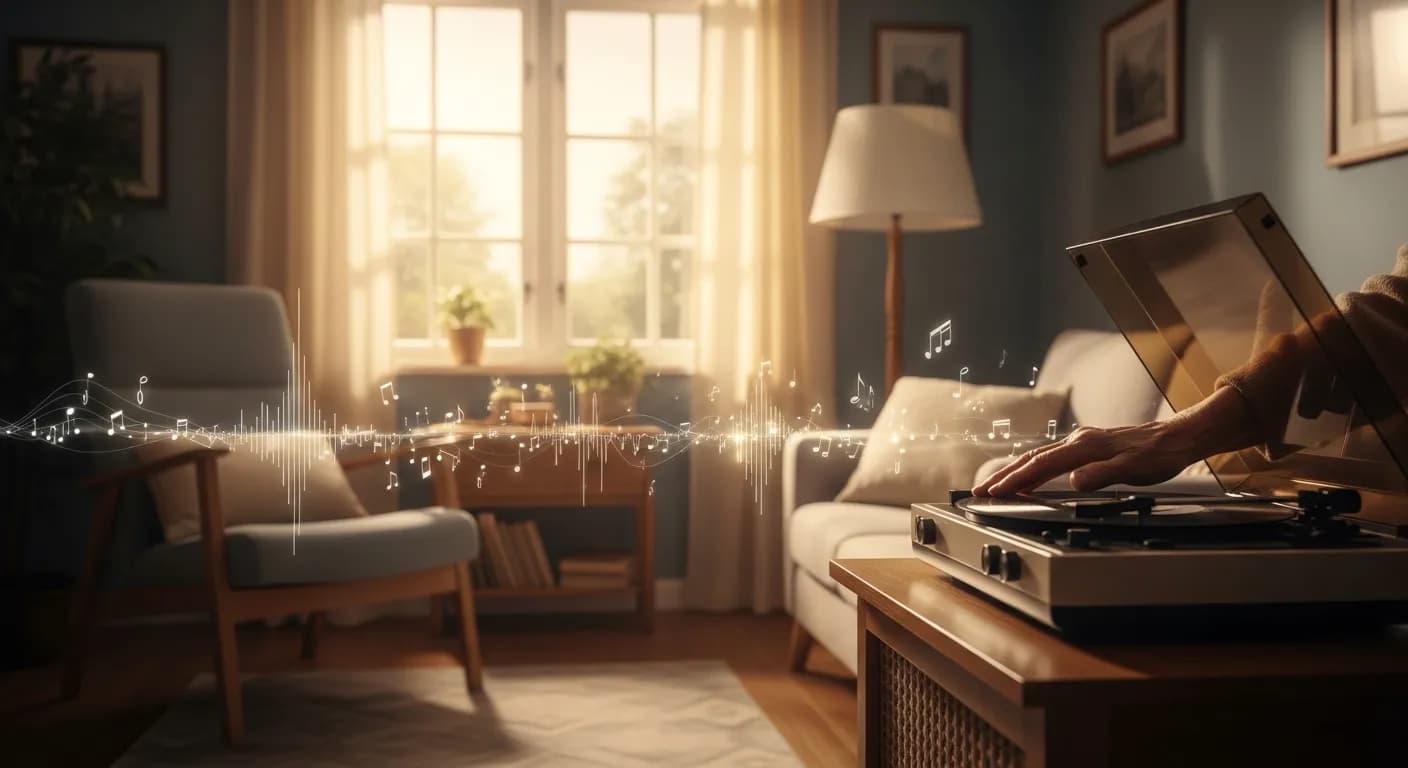
The mechanism is simple but profound. Music activates multiple regions of the brain simultaneously—memory centers, emotional centers, movement centers. For someone whose language abilities are fading, music becomes another language entirely. A language that still works.
Studies show that familiar music (songs from their formative years, songs tied to important moments) can:
- Reduce agitation and anxiety
- Improve mood for hours after listening
- Enhance engagement and eye contact
- Calm restlessness and pacing
- Create moments of genuine connection between caregiver and care recipient
One caregiver shared: "After music therapy, he's calmer, more engaged, and genuinely happier. Those familiar songs connect him to parts of his life that Alzheimer's hasn't taken away."
Notice what she's describing: not distraction or passing the time. She's describing connection to self. The opposite of disappearing into illness.
How to Use This at Home
You don't need a therapist or expensive equipment. You need:
The right songs. Ask family members about their formative music: What played during their wedding? What did they listen to in their twenties? What was on the radio during important moments? Create a playlist. Spotify and YouTube make this easy—search "[artist] greatest hits 1950-1965" or whatever decade matters.
Timing that fits. Don't play music as background noise. Choose moments when your loved one can really be present: during quiet afternoons, mealtime, or whenever they seem most receptive. Notice if certain times of day work better.
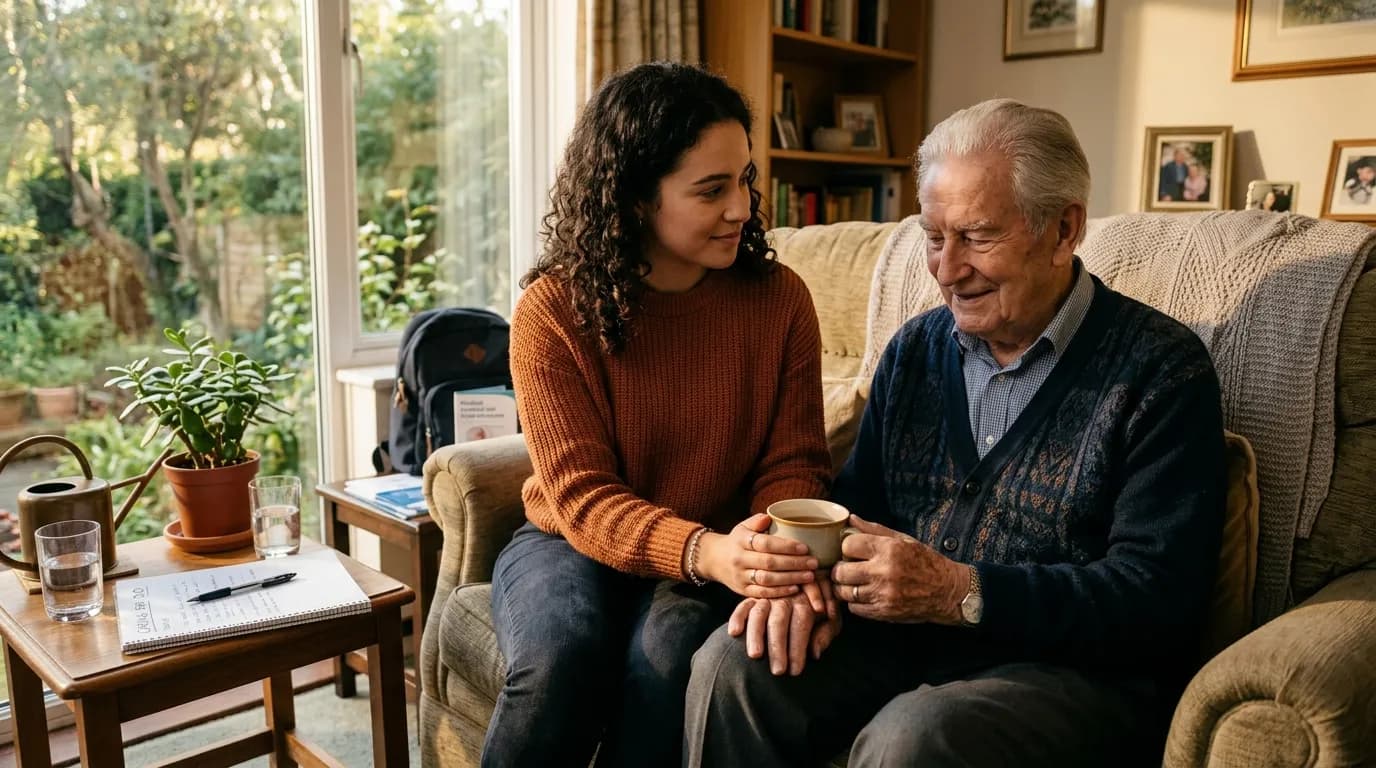
Your presence. The magic isn't just the song—it's that you're there, listening together. Humming along. Tapping your foot. Sometimes singing softly. This transforms music from a pastime into a shared experience, a moment of togetherness built on something they can still access.
Permission to repeat. If a song lights them up, play it again. And again. The repetition isn't boring—it's reassuring. A familiar melody played often becomes even more powerful.
A Different Kind of Caregiving Moment
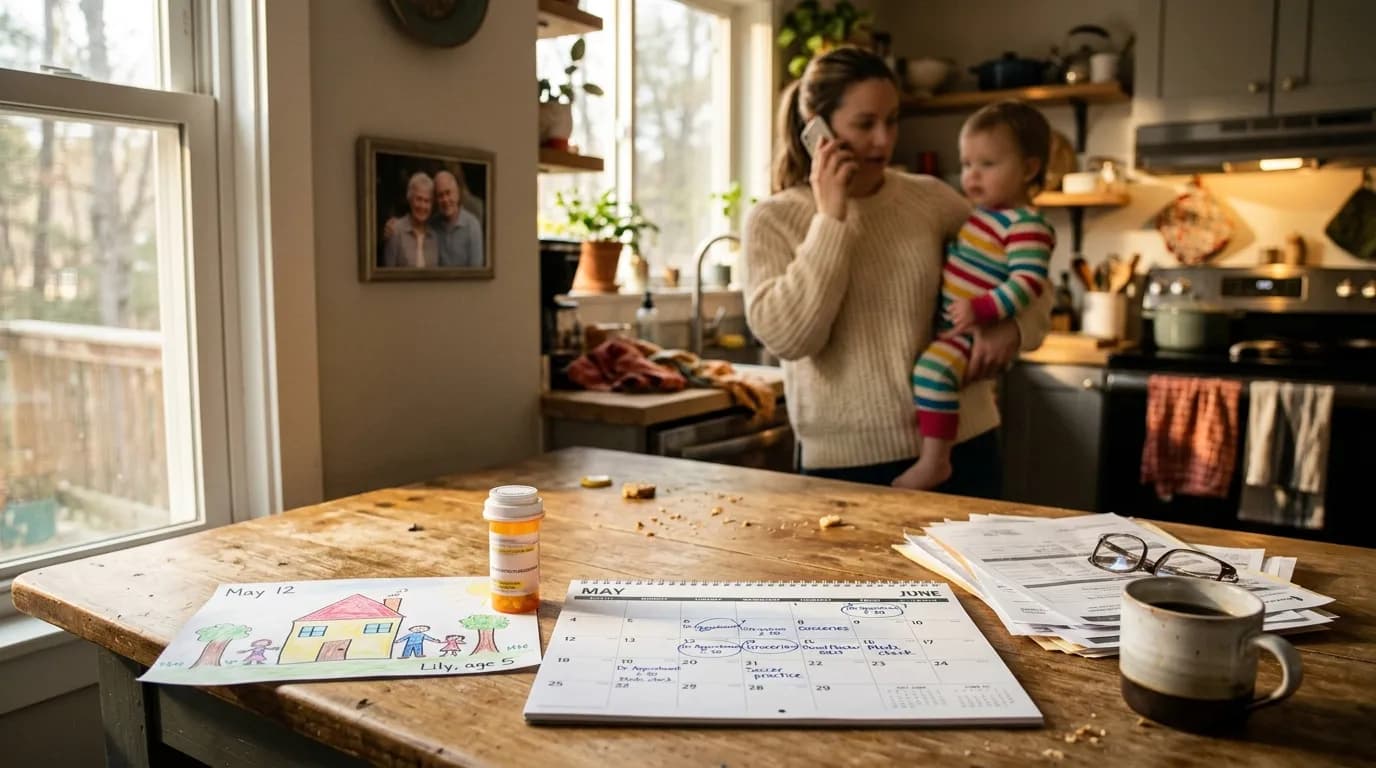
Most caregiving is about managing decline. Preventing falls. Organizing medications. Making sure meals happen. Advocating at medical appointments. This is necessary, important work.
But music therapy is different. It's not about managing loss. It's about accessing what's still there.
When you play a song that reaches your loved one, you're not wrestling with their illness. You're stepping into a moment where they're more fully themselves than they've been in weeks. You're getting them back, even if it's just for four minutes. Even if it's just this afternoon.
That moment is real. That connection is real. It's not a cure, but it's something more subtle and more human: it's a reminder that they're still in there. And that you can reach them.
Music may not stop cognitive decline, but it can pause it. The caregiver who discovers the right songs discovers a gateway to their loved one that no medication or conversation can match.
Managing care for an aging parent?
TendTo helps families coordinate medications, bills, appointments, and documents in one shared dashboard.
Start Free