The Last Thing You Can Do for Your Family: Plan Your Own Aging
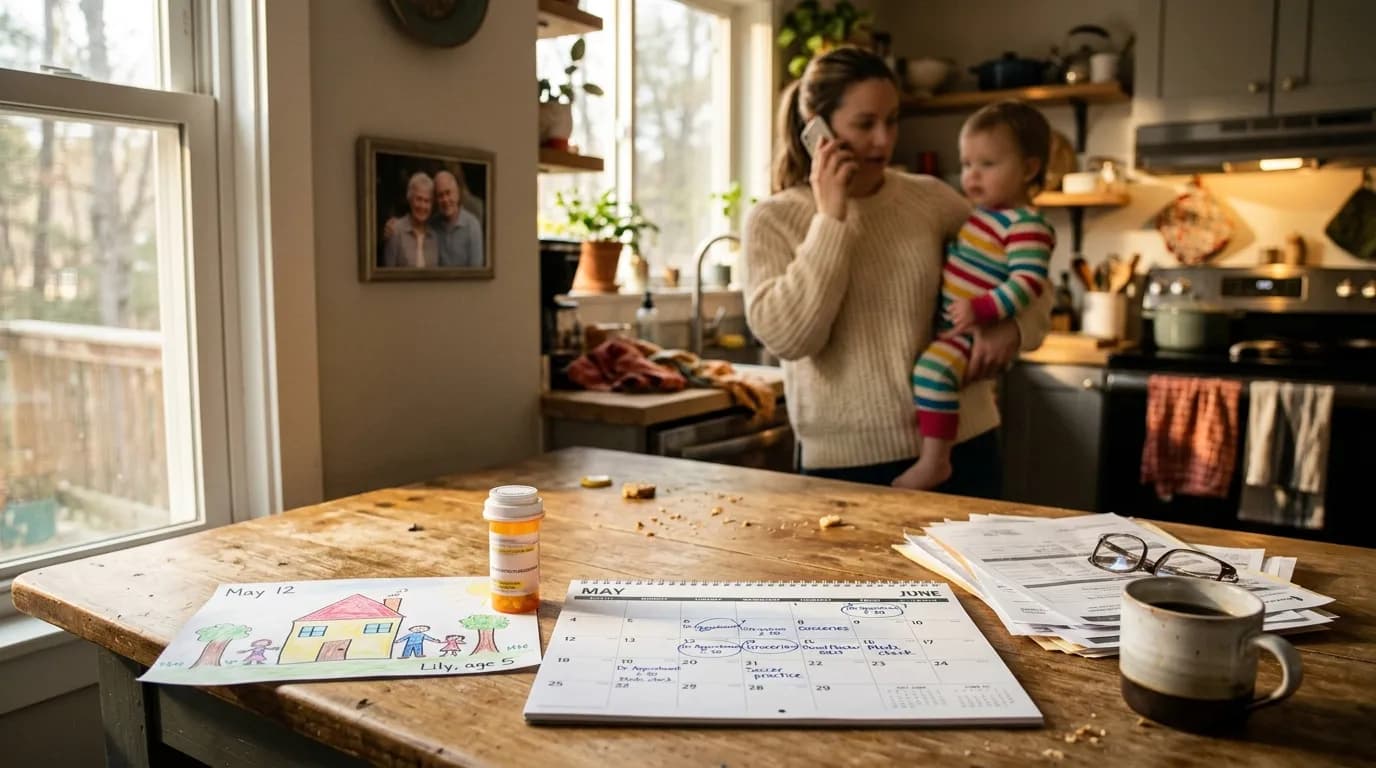
You're deep in caregiving. Managing your parent's health, bills, medications, doctor visits. Coordinating with siblings. Losing sleep. You can't imagine doing this all over again for yourself—or putting your own kids through it.
So here's the quiet truth: the most loving thing you can do for your family right now is plan for your own aging.
Not someday. Now.
Why You Can't Wait
Caregiving is the best classroom you could have—but only if you use it.
You're seeing exactly what works and what doesn't. You're discovering what matters (being heard by doctors, maintaining independence, financial autonomy) and what doesn't (perfect health, independence, control). You're learning what puts families in crisis and what creates peace.
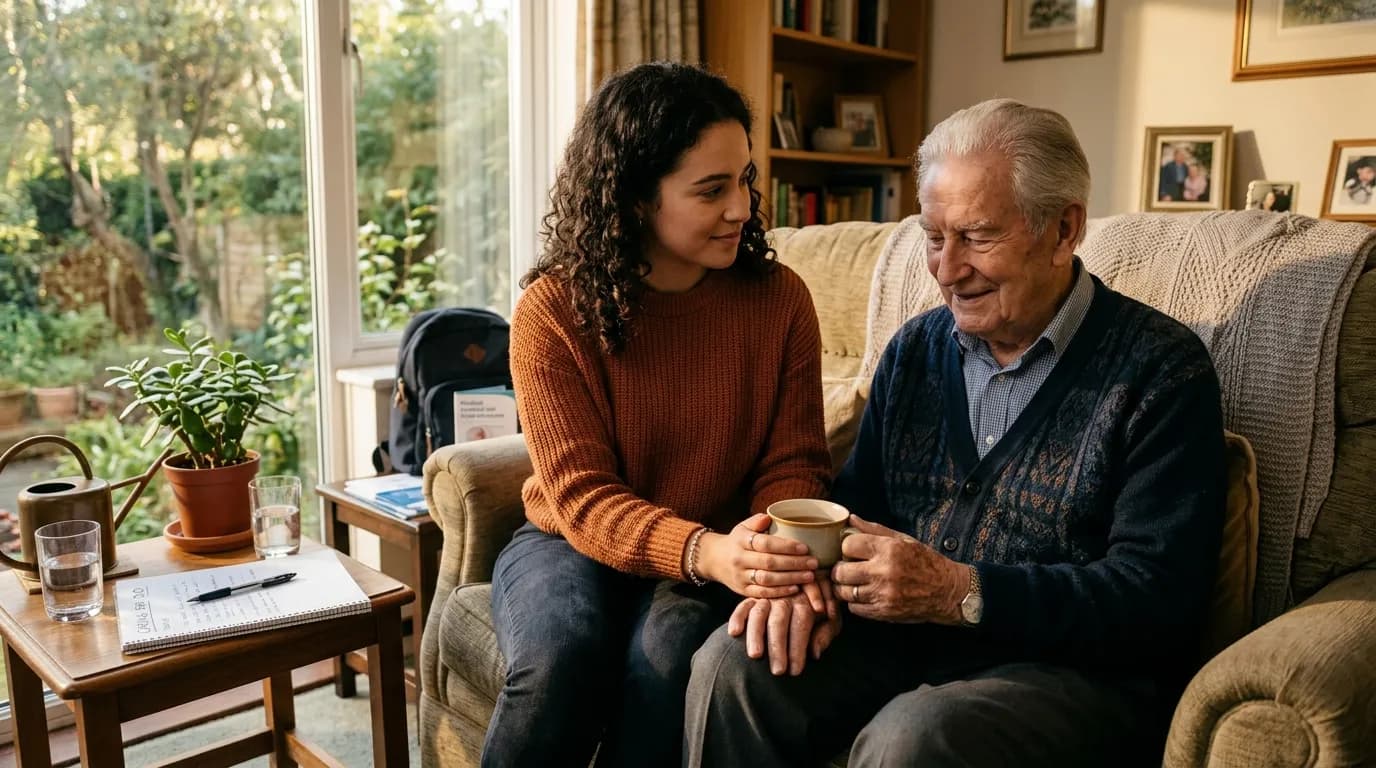
And in 20, 30, 40 years, you're going to be the aging person. Your kids—or your partner, or your chosen family—will be in your parent's shoes.
Every decision you make now to set yourself up for dignified aging is a gift to them.
What Planning Actually Means
It's not morbid. It's practical.
Financial: Do you have long-term care insurance? A plan for how aging care gets paid for (yours, not just your parents')? Are you building retirement savings that account for a longer life than your parents lived?
Legal: Do your kids know where your important documents are? Do you have a healthcare proxy who knows your wishes? A power of attorney? Or will your kids spend months—and thousands of dollars—figuring this out?
Medical: What medical decisions do you want? Heroic measures at 85? Comfort care focused? Is your doctor aware of your values? (Most caregivers learn their parents' wishes were never actually written down.)
Relational: Who will be your people when you're old? Are you intentionally building friendships that could become your support network? Are you teaching your kids how to be kind to an aging parent? (They're learning by watching you.)
Housing: Aging in place—is your home suitable? Accessible? Near services? Or should you be thinking about downsizing, relocating, building intentional community?
Healthcare navigation: Can you advocate for yourself? Understand your insurance? Know when to second-opinion a doctor? (Many caregivers discover their parents never learned these skills—and they've had to learn on the fly.)
The Ripple Effect
Here's what happens when you plan:
Your kids watch you plan. They see it's possible, not terrifying. When they're caregiving for you, they'll already know how to advocate for you because you modeled it.
Your family avoids crisis because you built structure. Emergency rooms, ER visits, lost paperwork, sibling fights—many start because nobody planned.
Your aging is cheaper because you made decisions early (insurance, housing, legal), not in crisis (emergency care, legal battles, family mediation).
You maintain agency. The choices are yours, made deliberately, not imposed by circumstance or illness.
And your loved ones get the greatest gift: they don't have to guess what you want. They can honor your wishes instead of fighting about them.
Start Now
You don't need to have it all figured out. You need to start.
This week:
- Have a conversation with your partner (if you have one) about aging values. What matters? What doesn't? Where do you want to live?
- Write down where your important documents are. Tell someone.
- Schedule a lawyer visit to get a healthcare proxy and will in place. It's cheaper than you think.
This month:
- Talk to your doctor about your own health trajectory. What preventive care matters? What should you be watching?
- Ask your kids (if you have them) one question: "What do you hope I'll plan for before I'm old?" Listen to what they worry about.
This quarter:
- Look at your finances. Do you have long-term care insurance? Should you? What would aging cost, and can you afford it?
- Think about your housing. Will your current place work at 75? 85? What would you need to change?
The Generosity of It
Your parent didn't have a plan (or you wouldn't be caregiving in crisis mode). You have the chance to be different.
Planning your own aging isn't selfish. It's the last—and most generous—act of caregiving you can do. It's saying to your family: "I see what you're going through. I'm not going to make you do this unprepared. I'm going to do the hard thinking now so your job is easier."
It's the ultimate form of love.
What's one thing you've learned from caregiving that you want to do differently for yourself? Start there. That's your first step.
Managing care for an aging parent?
TendTo helps families coordinate medications, bills, appointments, and documents in one shared dashboard.
Start Free