Why Seniors Reject the Help They Need
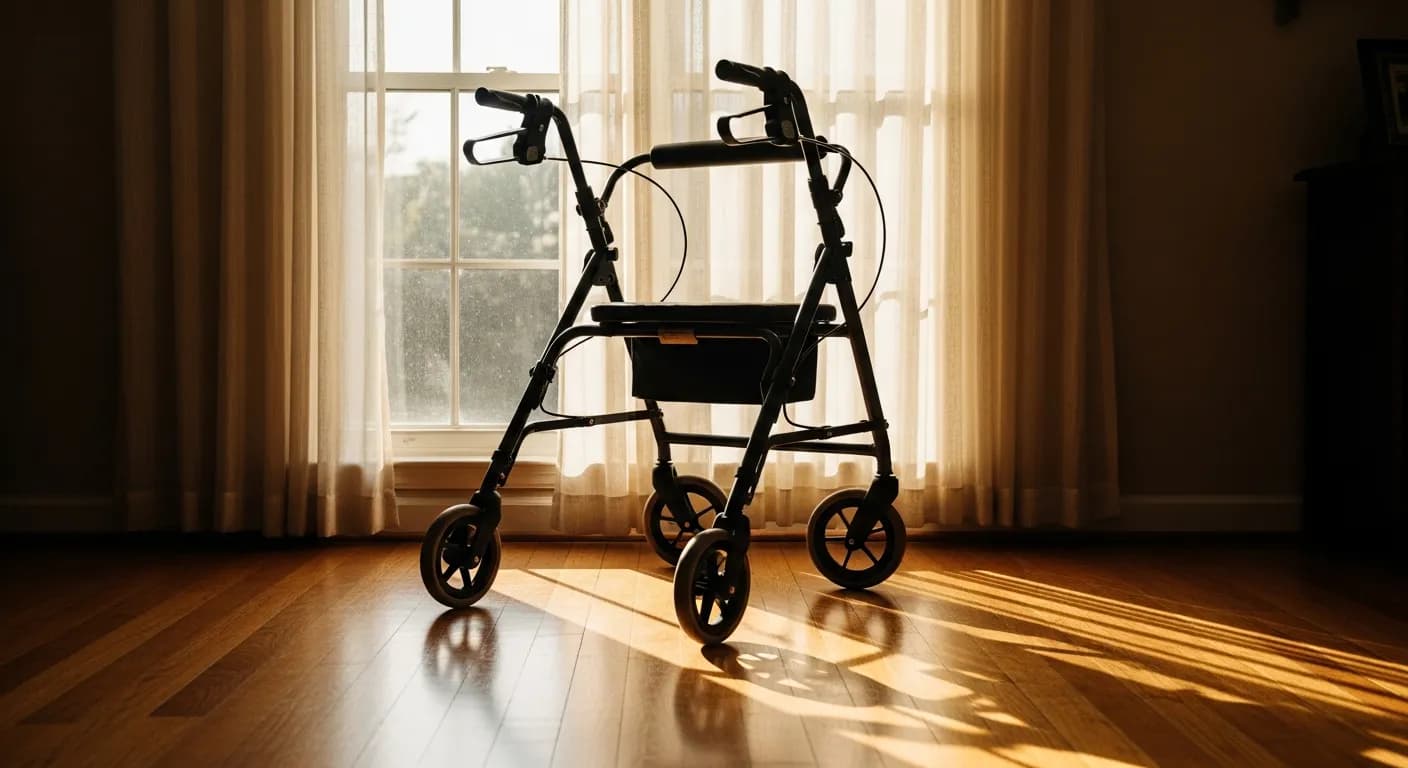
She fell. You saw it happen. You grabbed her as she went down, kept her from hitting the floor hard. Her hip is bruised. She's shaken. And now you're at the store, getting her a walker.
You bring it home, feeling proud. Problem solved. Right?
She takes one look at it and her face hardens.
"I'm not using that," she says. "I don't need it."
And when you're not watching, she leaves it in the corner. Two days later, you find it knocked over, shoved into the garage.
This is one of the most infuriating, heartbreaking dynamics in caregiving: the person who needs help the most often refuses it most stubbornly.
It's not irrational. But it sure feels that way.
It Isn't About the Walker
The walker isn't the problem. The problem is what the walker means.
A walker says: I'm no longer capable.
It's a public announcement of decline. A concession. The moment your dad uses a walker, he's admitting something he's been denying for a long time: he's not who he used to be. He needs help. He's vulnerable.
And vulnerability, for a lot of people, feels like death.
Seniors who've spent their whole lives being independent, reliable, capable—the ones who provided for their families, made decisions, solved problems—don't want to become the people who need solving. They don't want to be the problem.
So they reject the walker. They throw away the medication organizer. They refuse the grab bars. They insist on driving even though you're terrified. They cancel the in-home help. They downplay the fall.
From your perspective, it's dangerous and irrational.
From theirs, it's self-preservation.
The Autonomy Paradox
Here's what most caregiving advice misses: the very thing that's keeping your loved one safe is the thing that's destroying their sense of self.
A walker prevents falls. But it also marks them as old, dependent, diminished.
A medication organizer prevents confusion. But it means someone else is managing their health.
A safety camera in the bedroom prevents wandering. But it means they're being watched, treated like they can't be trusted.
None of these are bad things. They're necessary things. But they come with a cost that shows up as resistance.
Your senior isn't being stubborn for stubbornness's sake. They're trying to hold onto the last shred of control they have.
What They Actually Need (Beyond the Devices)
The walker works better if it's framed differently. Instead of "You need this because you fell," try: "This keeps you independent longer. With this, you can walk to the mailbox yourself without me hovering."
Suddenly the walker isn't a surrender. It's a tool for independence.
This reframe works because it's true. The assistive device isn't there to take over—it's there to extend your loved one's ability to do things for themselves.
Autonomy within structure. This is the sweet spot most caregiving misses. It's not: "Here's what you have to do." It's: "How do you want to do this?" Offer choices. "Do you want to use the walker in the morning or just in the evening?" "Would you rather I manage your meds, or would you prefer a pill organizer you fill yourself?"
Structure provides safety. Autonomy provides dignity. You need both.
Involve them in the decision. Don't surprise them with a walker. Talk about it. Show them options. Ask what would feel less embarrassing, less visible, less devastating to their sense of self. Maybe it's a sleeker model. Maybe it's one they can customize. Maybe it's using it only at home, not in public.
The device they choose themselves is the one they'll actually use.
Acknowledge what's hard. Say it out loud: "I know this feels like giving up. I know it's not what you want. I also know you fell, and I can't watch you get hurt. So let's figure out how to do this in a way that feels okay to you."
That honesty dissolves a lot of resistance. You're not pretending the walker is anything other than what it is. You're just asking them to accept it anyway—for their safety, and for yours.
The Deeper Issue: Control
What seniors are really rejecting isn't the device. It's the loss of control.
For decades, they've been the ones deciding. Deciding when to get help. Deciding when to slow down. Deciding what to do about their body, their home, their life.
Now someone else is deciding for them. And that feels like erasure.
When you can give them back some control—even small control—you often get compliance in return. Not because they've accepted decline, but because they feel like they're still part of the decision.
The devices that keep seniors safe work best when they enhance independence rather than announce dependence. Finding that frame—and letting your loved one be part of the choice—can transform resistance into reluctant cooperation, and sometimes even acceptance.
Managing care for an aging parent?
TendTo helps families coordinate medications, bills, appointments, and documents in one shared dashboard.
Start Free